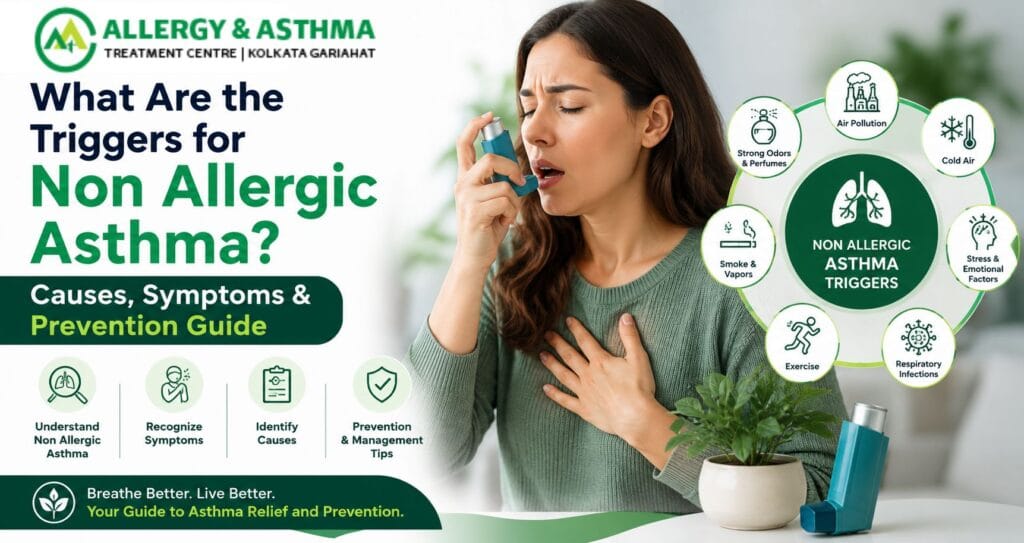
Non-allergic asthma is a common yet often misunderstood respiratory condition that affects millions of people worldwide. Unlike allergic asthma, which is triggered by allergens such as pollen, dust mites, or pet dander, non-allergic asthma develops due to environmental, emotional, or physical factors that irritate the airways. Many people experience sudden asthma flare-ups without any exposure to allergens, leaving them confused about the actual cause.
If you frequently experience wheezing, shortness of breath, chest tightness, or coughing without having allergies, you may be dealing with non-allergic asthma. Understanding the triggers and learning how to manage them can help reduce asthma attacks and improve your quality of life.
In this detailed guide, we will explore what causes non-allergic asthma, the most common triggers, symptoms, diagnosis, treatment options, and whether non-allergic asthma can go away over time.
What Is Non-Allergic Asthma?
Non-allergic asthma is a type of asthma that is not caused by allergens or immune reactions. Instead, the condition occurs when the airways become inflamed due to external irritants, weather changes, infections, stress, or exercise.
People with non-allergic asthma usually develop symptoms later in life compared to allergic asthma. The condition is also more common in adults and may be harder to control because the triggers are often unpredictable.
Unlike allergic asthma, non-allergic asthma does not typically involve elevated allergy antibodies or positive allergy tests.
What Causes Non-Allergic Asthma?
One of the most searched questions online is: “What causes non-allergic asthma?”
Non-allergic asthma develops when the airways overreact to irritants or physical changes in the environment. These irritants inflame and narrow the bronchial tubes, making breathing difficult.
Several factors may contribute to non-allergic asthma, including:
- Viral respiratory infections
- Exposure to smoke or pollution
- Strong odors or chemical fumes
- Cold air or sudden weather changes
- Stress and emotional reactions
- Exercise-induced breathing difficulty
- Certain medications
- Hormonal fluctuations
- Acid reflux disease (GERD)
In many cases, a person may have multiple triggers that combine to worsen symptoms.
What Are the Triggers for Non Allergic Asthma?
Understanding the triggers is essential for preventing flare-ups and improving asthma management. Below are the most common non-allergic asthma triggers.
1. Respiratory Infections
Viral infections such as colds, flu, sinus infections, or bronchitis are among the leading causes of asthma attacks in adults.
When the respiratory tract becomes infected, inflammation increases in the lungs and airways, making breathing difficult.
Common symptoms include:
- Persistent coughing
- Wheezing after a cold
- Tightness in the chest
- Increased mucus production
People with non-allergic asthma often notice worsening symptoms during seasonal viral outbreaks.
2. Air Pollution and Smoke
Environmental pollutants are major asthma triggers. Breathing in smoke, smog, or polluted air irritates the airways and can quickly cause breathing problems.
Common irritants include:
- Cigarette smoke
- Vehicle exhaust
- Industrial pollution
- Burning wood or incense
- Indoor cooking smoke
Secondhand smoke is particularly dangerous because it can trigger severe asthma symptoms even after short exposure.
3. Strong Smells and Chemical Fumes
Many people with non-allergic asthma are highly sensitive to odors and chemical particles.
Triggering substances may include:
- Perfumes
- Room fresheners
- Cleaning products
- Paint fumes
- Hair sprays
- Detergents
These substances irritate the airway lining and may cause sudden coughing, wheezing, or breathlessness.
4. Cold Air and Weather Changes
Cold, dry air is one of the most common non-allergic asthma triggers.
Breathing cold air causes the airways to tighten and lose moisture, leading to:
- Wheezing
- Shortness of breath
- Chest discomfort
- Coughing during winter
Sudden temperature changes or humid weather may also worsen asthma symptoms.
5. Stress and Emotional Reactions
Emotional stress can significantly impact breathing patterns and airway function.
Stress, anxiety, crying, or even intense laughter may trigger asthma symptoms because emotional changes can alter breathing and increase airway sensitivity.
Stress-related asthma symptoms may include:
- Rapid breathing
- Chest tightness
- Difficulty taking deep breaths
- Panic-related wheezing
Managing stress through relaxation techniques may help reduce flare-ups.
6. Exercise-Induced Asthma
Physical activity can trigger asthma symptoms in some individuals, especially during intense exercise or cold weather workouts.
This happens because rapid breathing during exercise cools and dries the airways.
Common symptoms include:
- Wheezing after exercise
- Persistent coughing
- Breathlessness
- Reduced stamina
Running, cycling, or strenuous sports are common exercise triggers.
7. Hormonal Changes
Hormonal fluctuations may worsen asthma symptoms, particularly in women.
Changes during:
- Menstruation
- Pregnancy
- Menopause
can influence airway inflammation and breathing patterns.
Some women notice worsening asthma symptoms before or during their menstrual cycle.
8. Medications
Certain medications can trigger asthma attacks in sensitive individuals.
Common medication triggers include:
- Aspirin
- NSAIDs such as ibuprofen
- Beta-blockers
- Some blood pressure medicines
This condition is sometimes called aspirin-sensitive asthma.
9. Acid Reflux (GERD)
Gastroesophageal reflux disease (GERD) is closely linked to asthma symptoms.
When stomach acid flows back into the esophagus, it can irritate the airways and worsen asthma.
Signs of GERD-related asthma:
- Nighttime coughing
- Heartburn
- Sore throat
- Worsening symptoms after meals
Treating acid reflux often helps improve asthma control.
What Is the Most Common Non-Allergic Trigger for Asthma?
Many patients ask: “What is the most common non-allergic trigger for asthma?”
Respiratory infections are considered the most common trigger for non-allergic asthma, especially in adults. Viral illnesses such as the common cold or flu can inflame the airways and lead to severe asthma flare-ups.
However, smoke exposure and air pollution are also extremely common triggers worldwide.
Symptoms of Non-Allergic Asthma
The symptoms of non-allergic asthma are similar to allergic asthma but occur without allergen exposure.
Common symptoms include:
- Wheezing
- Persistent cough
- Chest tightness
- Shortness of breath
- Difficulty breathing during exercise
- Nighttime coughing
- Fatigue due to poor breathing
Symptoms may worsen suddenly after exposure to irritants or during illness.
How Is Non-Allergic Asthma Diagnosed?
Doctors diagnose non-allergic asthma through a combination of medical history, symptom analysis, and breathing tests.
Diagnostic methods may include:
- Spirometry test
- Peak flow monitoring
- Chest examination
- Lung function testing
- Allergy testing to rule out allergic asthma
If allergy tests are negative but asthma symptoms continue, non-allergic asthma may be diagnosed.
Can Non-Allergic Asthma Go Away?
Another common question is: “Can non-allergic asthma go away?”
Non-allergic asthma is usually considered a chronic condition, meaning it may not completely disappear. However, symptoms can improve significantly with proper treatment and trigger management.
Some people experience long periods without symptoms, while others may continue to have occasional flare-ups throughout life.
Factors that help improve asthma control:
- Avoiding triggers
- Taking prescribed medications regularly
- Maintaining healthy lungs
- Managing stress
- Treating infections early
- Following an asthma action plan
Early diagnosis and proper care can greatly reduce symptom severity and improve daily life.
Treatment Options for Non-Allergic Asthma
Treatment focuses on reducing airway inflammation and preventing asthma attacks.
1. Inhaled Corticosteroids
These medications reduce airway inflammation and are commonly prescribed for long-term asthma control.
2. Bronchodilators
Quick-relief inhalers help open narrowed airways during sudden asthma symptoms.
3. Lifestyle Modifications
Simple lifestyle changes can help reduce asthma flare-ups.
Helpful strategies include:
- Avoiding smoke exposure
- Improving indoor air quality
- Wearing masks in polluted environments
- Exercising in warm environments
- Managing stress levels
4. Treating Underlying Conditions
Managing conditions such as sinus infections, GERD, or respiratory illnesses can improve asthma symptoms.
Tips to Prevent Non-Allergic Asthma Attacks
Preventive care plays a major role in asthma management.
Here are effective prevention tips:
Avoid Smoke and Pollutants
Stay away from smoking areas and reduce exposure to polluted air.
Monitor Weather Conditions
Protect yourself during cold or humid weather by covering your nose and mouth.
Practice Good Hygiene
Wash hands regularly to reduce viral infections.
Reduce Indoor Irritants
Use fragrance-free cleaning products and avoid strong chemicals.
Follow Medication Instructions
Take controller medications exactly as prescribed.
Maintain Regular Doctor Visits
Routine checkups help monitor lung health and adjust treatment plans if needed.
When Should You See a Doctor?
Seek medical attention if you experience:
- Frequent wheezing
- Difficulty breathing
- Symptoms interfering with sleep
- Increased inhaler use
- Severe chest tightness
- Sudden asthma attacks
Untreated asthma can become serious and may lead to complications if ignored.
Final Thoughts
Non-allergic asthma can significantly affect daily life, but understanding the triggers is the first step toward better control. Respiratory infections, smoke, pollution, weather changes, stress, and chemical irritants are among the most common causes of asthma flare-ups in people without allergies.
If you notice persistent breathing problems without allergy symptoms, consulting an asthma specialist can help identify triggers and create a personalized treatment plan. With the right combination of medication, lifestyle adjustments, and preventive care, many people successfully manage non-allergic asthma and lead healthy, active lives.
By learning what causes your asthma symptoms and taking proactive steps, you can reduce flare-ups, improve breathing, and protect your long-term lung health.
Take Control of Your Asthma Symptoms Today
Struggling with persistent coughing, wheezing, chest tightness, or breathing difficulties? The expert team at Allergy and Asthma is here to help you identify your asthma triggers and create a personalized treatment plan for long-term relief.
Why Choose Allergy and Asthma?
- Advanced diagnosis for allergic and non-allergic asthma
- Personalized asthma management plans
- Expert care for children and adults
- Modern treatment options and preventive care
- Compassionate support from experienced specialists
Don’t Ignore Breathing Problems
Early diagnosis and proper asthma care can help prevent severe attacks and improve your quality of life.
Book Your Consultation Today
Get expert guidance for asthma, allergies, wheezing, sinus issues, and breathing disorders from trusted specialists.
📞 Call Now to Schedule an Appointment
🌐 Visit Our Clinic for Expert Asthma Care
📍 Breathe Better with Specialized Allergy & Asthma Treatment
Read More:
- How to Cure Dry Cough: Causes, Remedies & Treatment Tips
- How to Get Rid of a Cough in 5 Minutes?
- How to Relieve Chest Tightness: Causes, Remedies & When to Worry
Visit Us: