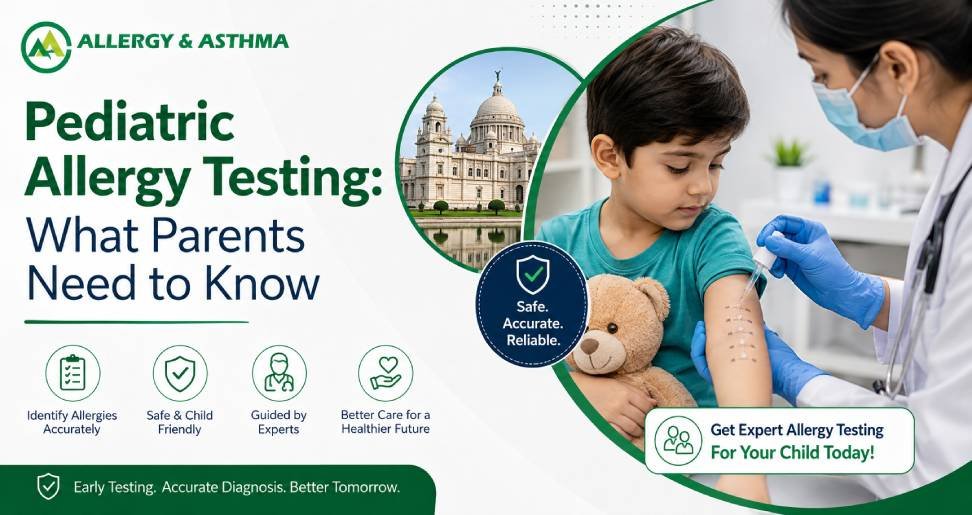
Children can develop allergic reactions to foods, dust, pollen, pet dander, insect stings, medications, and other environmental triggers. When symptoms keep returning or interfere with a child’s daily life, pediatric allergy testing can help identify possible triggers and guide an appropriate treatment plan. Understanding why testing is recommended, how it works, and what parents can expect can make the process much easier.
At Allergy Asthma Treatment Center, parents can seek professional guidance for evaluating allergy-related symptoms in children and understanding suitable management options. Early evaluation can help families take practical steps to reduce exposure to triggers and manage recurring symptoms.
What Is Pediatric Allergy Testing?
Pediatric allergy testing refers to medical tests used to determine whether a child may be sensitized to specific allergens. Depending on the child’s symptoms, age, medical history, and suspected triggers, an allergy specialist may recommend skin testing, blood testing, or other assessments.
Testing is not simply about finding a list of substances a child reacts to. The results need to be interpreted alongside the child’s symptoms and medical history. A positive test does not always mean that an allergen is responsible for every symptom.
For this reason, professional evaluation is an important part of the allergy-testing process.
When Should a Child Have Allergy Testing?
Parents may consider consulting an allergy specialist when a child experiences recurring or unexplained symptoms such as:
- Frequent sneezing, runny nose, or nasal congestion
- Persistent itching of the nose, eyes, or skin
- Repeated skin rashes or hives
- Eczema that appears difficult to control
- Wheezing or breathing difficulties associated with possible triggers
- Reactions after eating particular foods
- Swelling of the lips, face, or throat after exposure to a suspected allergen
- Recurrent symptoms around pets, dust, pollen, or other environmental substances
- Allergic reactions following insect stings or certain medications
Testing may be particularly useful when symptoms repeatedly occur in specific situations. However, not every child with these symptoms requires allergy testing. A doctor can determine whether testing is appropriate.
Common Types of Pediatric Allergy Tests
1. Skin Prick Test
A skin prick test is one of the commonly used methods for evaluating immediate allergic sensitization. Small amounts of suspected allergens are introduced into the skin, usually on the forearm or back.
The area is then observed for a reaction. If a small raised, itchy area develops, it may indicate sensitization to that allergen.
The test is generally quick, but children may experience temporary itching or mild redness at the test site.
2. Blood Allergy Test
A blood test may be recommended when skin testing is not suitable or when the doctor needs additional information. It can measure specific IgE antibodies associated with certain allergens.
Blood testing can be useful for children who have certain skin conditions, cannot stop particular medications, or may find skin testing difficult.
3. Other Assessments
Depending on the symptoms, an allergy specialist may recommend additional investigations or elimination and reintroduction strategies, particularly when food allergy is suspected. These should only be performed under appropriate medical guidance.
How Should Parents Prepare for Allergy Testing?
Before the appointment, parents should make a note of the child’s symptoms and when they occur. Useful information may include:
- What symptoms appear
- How frequently they occur
- Possible foods or environmental triggers
- When symptoms started
- Previous allergic reactions
- Medications currently being taken
- Family history of allergies or asthma
- Previous allergy test results
Parents should also inform the doctor about all medicines the child takes. Some medications, particularly certain antihistamines, can affect the results of skin testing. Do not stop any medication without discussing it with the treating doctor first.
Is Allergy Testing Safe for Children?
Allergy testing is generally considered safe when performed by trained healthcare professionals. Some children may experience temporary itching, redness, or mild swelling after skin testing.
Severe allergic reactions during testing are uncommon, but testing should always be conducted in an appropriate medical setting where the child can be monitored and treated if a significant reaction occurs.
Parents should tell the healthcare provider about any previous severe allergic reaction before testing begins.
What Happens After Allergy Testing?
The most important step after testing is understanding what the results mean.
A doctor will compare the test results with the child’s symptoms and medical history. Depending on the findings, the management plan may include avoiding specific triggers, controlling symptoms with appropriate medication, improving environmental measures, or considering allergy-specific treatment.
For example, if a child has symptoms associated with dust mites, the family may receive advice about reducing indoor allergen exposure. If a specific food is suspected, the doctor may provide individualized dietary guidance.
Parents should avoid removing multiple foods from a child’s diet based solely on an allergy test result. Unnecessary food restrictions can affect nutrition and quality of life.
Understanding Immunotherapy for Children
For some children with certain allergies, allergen immunotherapy may be considered when appropriate. Immunotherapy works by gradually exposing the immune system to carefully controlled amounts of a relevant allergen, with the goal of reducing sensitivity over time.
Parents who want to understand the different approaches can explore [Types Of Immunotherapy] as part of learning about allergy treatment options.
However, immunotherapy is not suitable for every child. The decision depends on factors such as the child’s age, allergy type, symptoms, overall health, and response to other treatments.
Can Immunotherapy Cause Side Effects?
Like other medical treatments, immunotherapy can have side effects. These may range from mild local reactions to more significant allergic reactions in uncommon situations.
Parents should understand the possible [Immunotherapy Side Effect] before beginning treatment. The treating specialist can explain expected reactions, warning signs, monitoring requirements, and what to do if symptoms occur.
Allergy Testing and Childhood Asthma
Allergies and asthma can sometimes occur together. Certain allergens may trigger or worsen asthma symptoms in susceptible children. If a child experiences recurring coughing, wheezing, chest tightness, or breathing difficulty, parents should seek medical evaluation rather than assuming the symptoms are simply seasonal allergies.
Families searching online for an [Asthma Doctor near me] should consider choosing a qualified specialist who can evaluate the child’s symptoms and determine whether allergy assessment or asthma testing may be appropriate.
Managing identified triggers can form one part of a broader asthma-management strategy when allergies contribute to symptoms.
Why Early Evaluation Matters
Ignoring recurring allergic symptoms can affect a child’s sleep, school participation, physical activity, and overall comfort. Identifying possible triggers can help parents and healthcare professionals develop a more focused approach to symptom management.
However, allergy testing should not be treated as a standalone solution. The results are most useful when combined with a detailed clinical evaluation.
Frequently Asked Questions ( FAQs ) :-
Ans :- There is no single age that applies to every child. Testing may be considered even in young children when the medical history and symptoms suggest an allergy. The doctor determines the appropriate testing method based on the child’s individual circumstances.
Ans :- Not necessarily. A positive result may indicate sensitization, but it does not always prove that the allergen causes symptoms. The result must be interpreted alongside the child’s history and clinical presentation.
Ans :- Some childhood allergies may become less significant with age, while others can persist. The likelihood varies depending on the allergen and individual child. Regular medical follow-up can help determine how the condition changes over time.
Ans :- Usually, broad testing without a clinical reason is not necessary. Targeted testing based on symptoms and medical history can provide more meaningful information and help avoid unnecessary restrictions.
Conclusion
Pediatric allergy testing can provide valuable information when a child experiences recurring symptoms that may be linked to allergies. From skin prick testing and blood tests to personalized medical evaluation, the right approach depends on the child’s symptoms and individual needs.
At Allergy Asthma Treatment Center, parents can discuss their child’s recurring allergy symptoms with healthcare professionals and learn about appropriate evaluation and management options. With timely assessment, trigger identification, and an individualized treatment plan, families can take informed steps toward helping children live more comfortably and confidently.