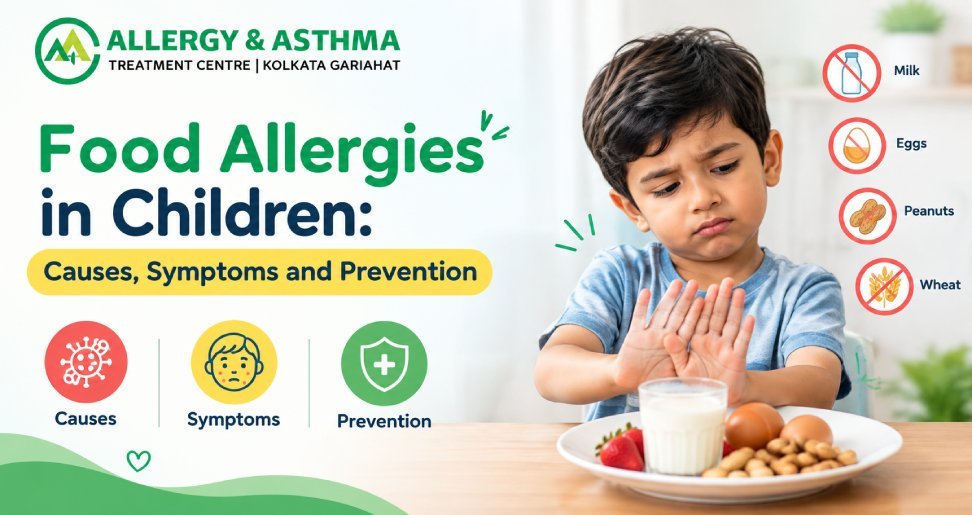
Food allergies in children are a common concern for parents, especially when a child develops unexpected symptoms after eating certain foods. A food allergy occurs when the immune system mistakenly identifies a particular food protein as harmful and reacts against it. Symptoms can range from mild skin irritation to a serious, potentially life-threatening reaction called anaphylaxis.
Understanding the causes, symptoms, common triggers, and prevention strategies can help parents recognize allergic reactions early and take appropriate precautions.
What Is a Food Allergy?
A food allergy is an immune-system response to proteins found in certain foods. When a child with a food allergy eats the trigger food, the body may release chemicals such as histamine, leading to different symptoms.
Food allergies are different from food intolerances. An intolerance may cause digestive problems but does not involve the same immune response. For example, lactose intolerance is not the same as an allergy to milk.
What Is the Root Cause of Food Allergies?
The root cause of food allergies is an abnormal immune response to specific food proteins. The immune system mistakenly treats a normally harmless protein as a threat.
Several factors may contribute to the development of food allergies, including:
- Family history of allergies or allergic conditions
- Genetic susceptibility
- Existing conditions such as eczema
- Changes in the skin or gut barrier
- Exposure to certain allergens
- Interactions between genetic and environmental factors
However, there is usually no single cause that explains why one child develops a food allergy while another does not.
What Are the 3 Most Common Food Allergies in Children?
There are several foods that can cause allergic reactions in children. Among the most commonly recognized food allergens are:
- Milk – Cow’s milk allergy is particularly common in young children.
- Eggs – Egg allergy often appears during childhood and may improve as a child grows.
- Peanuts – Peanut allergy can cause severe reactions in some children and may persist for many years.
Other important allergens include tree nuts, wheat, soy, fish, shellfish, and sesame.
Parents should remember that any food can potentially cause an allergic reaction, so symptoms should be evaluated rather than assuming that only common allergens are responsible.
What Are 7 Signs of a Food Allergy?
Food allergy symptoms can appear within minutes or several hours after eating the triggering food. Seven common signs include:
1. Hives or Skin Rash
Raised, itchy, red patches called hives may develop on the skin. Some children may also experience general itching or flushing.
2. Swelling
Swelling can occur around the lips, face, tongue, or eyes. Sudden swelling of the tongue or throat requires immediate medical attention.
3. Stomach Problems
Children may experience abdominal pain, nausea, vomiting, or diarrhea after eating an allergenic food.
4. Breathing Difficulties
Wheezing, coughing, noisy breathing, or difficulty breathing can indicate a serious allergic reaction.
5. Throat Tightness or Difficulty Swallowing
A child may complain that their throat feels tight or that it is difficult to swallow.
6. Dizziness or Fainting
A severe allergic reaction can cause a sudden drop in blood pressure, resulting in dizziness, weakness, confusion, or fainting.
7. Anaphylaxis
Anaphylaxis is a severe, rapidly developing allergic reaction that can affect breathing and circulation. It requires immediate emergency medical treatment.
A child does not need to experience all seven symptoms to have a food allergy.
How Do Doctors Diagnose Food Allergies?
If a child repeatedly develops symptoms after eating a particular food, parents should consult a pediatrician or qualified allergy specialist.
A healthcare professional may consider:
- The child’s symptoms and medical history
- A detailed food and symptom diary
- Skin-prick testing
- Specific IgE blood testing
- A medically supervised oral food challenge when appropriate
Parents should not deliberately expose a child to a suspected allergen at home to confirm an allergy, particularly if the child has previously experienced a significant reaction.
How to Prevent Food Allergies in Kids?
There is no guaranteed way to prevent every food allergy, but parents can take evidence-based steps to reduce risks and manage known allergies.
Introduce Appropriate Foods During Infancy
For many infants, introducing age-appropriate complementary foods around the time recommended by their healthcare professional is important. Current guidance supports introducing common allergenic foods in developmentally appropriate forms rather than unnecessarily delaying them.
For babies at high risk of peanut allergy, parents should discuss peanut introduction with their pediatrician before offering peanut-containing foods.
Avoid Unnecessary Food Restrictions
Parents should not remove major food groups from a child’s diet without medical advice. Unnecessary restrictions can affect nutrition and make everyday eating more difficult.
Read Food Labels Carefully
If a child has a confirmed food allergy, check packaged-food labels every time. Ingredients and manufacturing processes can change.
Prevent Cross-Contact
Even a small amount of an allergen can cause a reaction in some children. Use separate utensils and clean preparation surfaces when necessary.
Teach Children About Their Allergy
As children grow older, teach them to recognize their trigger foods and ask questions about ingredients. School staff, caregivers, and relatives should also understand the child’s allergy and emergency plan.
What Should Parents Do During an Allergic Reaction?
If a child develops difficulty breathing, swelling of the throat or tongue, fainting, or other symptoms suggesting anaphylaxis, seek emergency medical help immediately.
Children who have been prescribed an epinephrine auto-injector should receive it according to their healthcare professional’s emergency action plan. Do not rely on antihistamines alone for a severe reaction involving breathing or circulation.
After an allergic reaction, the child should be medically evaluated to determine what caused it and how future reactions should be managed.
Living Safely With Food Allergies
A food allergy does not mean a child cannot enjoy a healthy and active childhood. With the right diagnosis, nutritional guidance, food-label awareness, and emergency planning, families can manage food allergies effectively.
Parents should work closely with their child’s pediatrician or allergy specialist to identify confirmed allergens and develop an individualized management plan. Children should also be encouraged to communicate about their allergies without feeling isolated from friends or everyday activities.
Conclusion
Food allergies in children can cause symptoms ranging from mild hives and stomach discomfort to severe anaphylaxis. Milk, eggs, and peanuts are among the common food allergens in childhood, although many other foods can trigger reactions.
Understanding the warning signs, identifying potential triggers, introducing foods appropriately, reading labels carefully, and having an emergency plan can help parents protect their children. If a child experiences repeated symptoms after eating a particular food, professional medical evaluation is important rather than relying on self-diagnosis.
Note: This article is for general educational purposes and should not replace advice from a pediatrician or qualified allergy specialist.