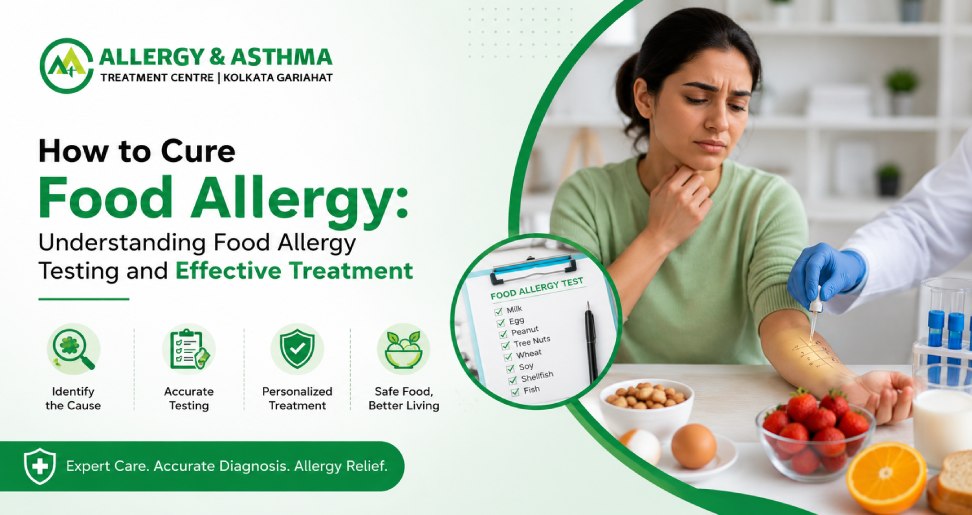
Food allergies can affect people of all ages and may cause symptoms ranging from mild itching to severe, life-threatening reactions. While many people search for ways to completely cure food allergies, the truth is that there is currently no universal cure. However, with food allergy testing, proper diagnosis, allergen avoidance, and expert medical care, food allergies can be effectively managed, allowing patients to live healthy and safe lives.
If you or your child experiences frequent allergic reactions after eating certain foods, seeking professional evaluation at Allergy Asthma Treatment Center can help identify the exact cause and provide personalized treatment plans.
What is a Food Allergy?
A food allergy occurs when the body’s immune system mistakenly identifies a harmless food protein as dangerous. This triggers the release of chemicals such as histamine, causing allergic symptoms.
Unlike food intolerance, which mainly affects digestion, food allergies involve the immune system and can become serious if left untreated.
Common food allergens include:
- Milk
- Eggs
- Peanuts
- Tree nuts
- Soy
- Wheat
- Fish
- Shellfish
Even tiny amounts of these foods may trigger allergic reactions in sensitive individuals.
Can Food Allergy Be Cured?
Many patients ask, “How to Cure Food Allergy?”
Currently, there is no permanent cure for most food allergies. However, several treatment approaches can help:
- Accurate diagnosis through food allergy testing
- Avoiding allergy-triggering foods
- Prescription medications for allergic reactions
- Emergency treatment plans
- Oral Immunotherapy (OIT) for selected patients
- Regular follow-up with an allergy specialist
Some children naturally outgrow allergies to milk, eggs, soy, or wheat, while peanut and shellfish allergies often persist into adulthood.
Why is Food Allergy Testing Important?
The focus keyword – Food Allergy Testing – plays a crucial role in identifying the exact food responsible for allergic reactions.
Many people unnecessarily avoid multiple foods without proper testing, leading to nutritional deficiencies. Scientific allergy testing helps determine the real trigger and prevents unnecessary dietary restrictions.
Food allergy testing can:
- Identify allergy-causing foods
- Reduce the risk of severe allergic reactions
- Help doctors create personalized treatment plans
- Prevent unnecessary food avoidance
- Improve overall quality of life
Types of Food Allergy Testing
1. Skin Prick Test
A small amount of suspected allergen is placed on the skin, and a tiny prick allows it to enter the surface.
A raised bump or redness may indicate an allergy.
Advantages:
- Quick results
- Safe
- Highly effective
- Widely used
2. Blood Allergy Test (Specific IgE Test)
This test measures allergy antibodies in the blood against specific foods.
Doctors recommend this test when:
- Skin testing is not suitable
- Patients have severe eczema
- Certain medications interfere with skin testing
3. Oral Food Challenge
This is considered the gold standard for confirming food allergies.
The patient consumes gradually increasing amounts of the suspected food under strict medical supervision.
It should only be performed by experienced allergy specialists because severe reactions can occur.
4. Elimination Diet
The suspected food is removed from the diet for several weeks and then reintroduced under medical guidance.
This helps identify foods responsible for symptoms.
Common Symptoms of Food Allergy
Food allergy symptoms usually appear within minutes to two hours after eating.
Common symptoms include:
- Skin rashes
- Hives
- Itching
- Swelling of lips
- Swelling of tongue
- Facial swelling
- Stomach pain
- Vomiting
- Diarrhea
- Wheezing
- Shortness of breath
- Persistent cough
- Dizziness
- Fainting
Severe reactions may lead to anaphylaxis, a medical emergency requiring immediate treatment.
Who Should Get Food Allergy Testing?
You should consider professional food allergy testing if you experience:
- Repeated allergic reactions after eating
- Swelling of lips or throat
- Difficulty breathing after meals
- Severe skin rashes
- Chronic eczema
- Family history of allergies
- Unexplained digestive symptoms
Early diagnosis helps prevent serious complications.
How Allergy Asthma Treatment Center Can Help
Allergy Asthma Treatment Center provides comprehensive diagnosis and management for patients suffering from food allergies.
Their allergy specialists evaluate every patient carefully before recommending treatment.
Services offered include:
- Food allergy testing
- Skin prick allergy testing
- Blood allergy tests
- Asthma diagnosis and treatment
- Allergy consultation
- Allergic rhinitis treatment
- Skin allergy management
- Immunotherapy consultation
- Personalized allergy care plans
- Long-term allergy management
The center focuses on identifying the root cause of allergic reactions rather than simply treating symptoms.
Tips to Prevent Food Allergy Reactions
Although food allergies cannot always be cured permanently, the following precautions can greatly reduce allergic episodes:
- Read food labels carefully.
- Inform restaurants about your food allergy.
- Carry emergency medications if prescribed.
- Avoid cross-contamination during cooking.
- Teach children about foods they should avoid.
- Follow your doctor’s treatment plan.
- Schedule regular allergy check-ups.
- Never ignore mild allergic symptoms.
Website Services Offered by Allergy Asthma Treatment Center
Patients can conveniently access several healthcare services through the Allergy Asthma Treatment Center website, including:
- Online appointment booking
- Specialist allergy consultations
- Information about food allergy testing
- Asthma treatment services
- Allergy management programs
- Patient education resources
- Follow-up consultation scheduling
- Contact and clinic location details
The website helps patients easily connect with experienced allergy specialists and learn more about available treatments and preventive care.
Why Early Food Allergy Testing Matters
Ignoring food allergies can increase the risk of repeated reactions and severe complications.
Early food allergy testing offers several benefits:
- Accurate diagnosis
- Better treatment planning
- Improved nutritional guidance
- Reduced emergency hospital visits
- Increased confidence in daily eating habits
- Enhanced quality of life
Prompt evaluation ensures patients receive the right advice and avoid unnecessary dietary restrictions.
Conclusion
Searching for “How to Cure Food Allergy” often leads people to believe there is a permanent cure. While no universal cure currently exists, proper food allergy testing, early diagnosis, allergen avoidance, and expert medical care can effectively control symptoms and prevent serious allergic reactions.
If you or your loved one experiences allergic symptoms after eating certain foods, consult the specialists at Allergy Asthma Treatment Center. Their advanced diagnostic services, personalized treatment plans, and ongoing patient support can help you safely manage food allergies and enjoy a healthier, worry-free life.
FAQs ( Freaquently Asked Questions ) :-
Ans :- Food allergy testing helps identify specific foods that trigger allergic reactions using skin tests, blood tests, elimination diets, or oral food challenges.
Ans :- Currently, there is no permanent cure for most food allergies. However, proper management and medical treatment can significantly reduce the risk of reactions.
Ans :- Yes. Food allergy testing is generally safe when performed by qualified allergy specialists.
Ans :- An allergy specialist or immunologist is the most qualified doctor to diagnose and treat food allergies.
Ans :- You should consider testing if you experience repeated allergic reactions, skin rashes, swelling, breathing difficulty, or digestive symptoms after eating certain foods.