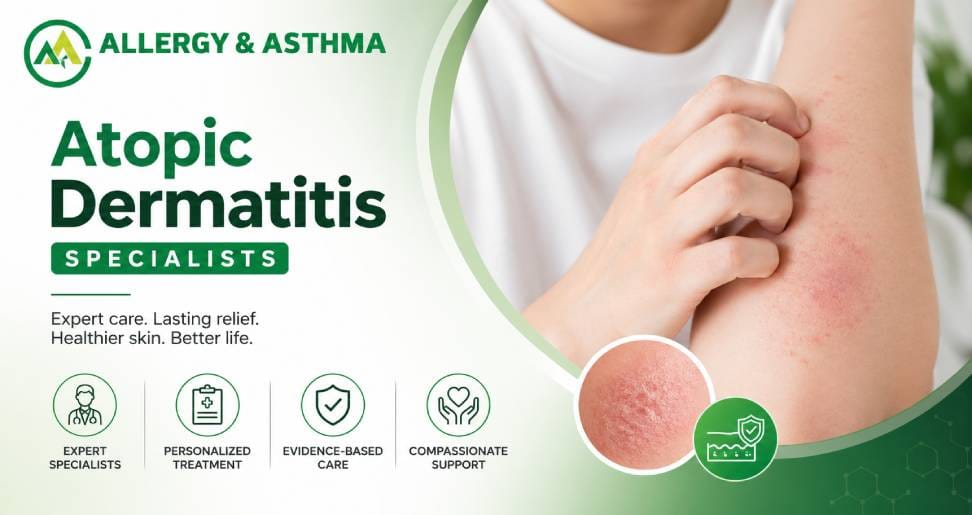
Atopic dermatitis, commonly known as eczema, is a chronic skin condition that affects millions of people worldwide. It often causes dry, itchy, inflamed skin that can significantly impact daily life. If you or your loved ones are struggling with persistent skin irritation, consulting atopic dermatitis specialists is one of the most effective steps toward relief and long-term management.
In this blog, we will explore the role of specialists, causes, treatment options, and answer some of the most frequently asked questions like What is the fastest way to cure atopic dermatitis?, Is eczema 100% curable?, What doctor is best for eczema?, and Is atopic dermatitis permanent?
Understanding Atopic Dermatitis
Atopic dermatitis is a chronic inflammatory skin condition that usually begins in childhood but can occur at any age. It is linked to a combination of genetic, environmental, and immune system factors. People with this condition often have a weakened skin barrier, making their skin more sensitive to irritants and allergens.
Common Symptoms
- Intense itching (especially at night)
- Dry and scaly skin
- Red or inflamed patches
- Cracked or thickened skin
- Oozing or crusting in severe cases
Without proper treatment, symptoms can worsen and lead to infections or long-term skin damage.
What Doctor Is Best for Eczema?
When dealing with eczema, many people wonder, What doctor is best for eczema? The answer is a dermatologist, particularly those specializing in chronic skin conditions like atopic dermatitis.
Why Consult Atopic Dermatitis Specialists?
- Accurate diagnosis and severity assessment
- Personalized treatment plans
- Access to advanced therapies (biologics, phototherapy)
- Long-term management strategies
In some cases, allergists or immunologists may also be involved, especially if allergies trigger flare-ups.
Causes and Triggers of Atopic Dermatitis
Atopic dermatitis does not have a single cause. Instead, it results from a mix of internal and external factors.
Key Causes
- Genetic predisposition
- Immune system dysfunction
- Skin barrier defects
Common Triggers
- Harsh soaps and detergents
- Weather changes (cold or dry air)
- Dust mites and pollen
- Stress
- Certain fabrics like wool
Identifying and avoiding triggers is a crucial part of managing the condition.
What Is the Fastest Way to Cure Atopic Dermatitis?
A common question patients ask is: What is the fastest way to cure atopic dermatitis?
The honest answer is that there is no instant cure. However, symptoms can be controlled quickly with the right approach.
Fast-Acting Treatment Options
- Topical Corticosteroids
Reduce inflammation and itching rapidly. - Moisturizers and Emollients
Restore the skin barrier and prevent dryness. - Antihistamines
Help relieve itching and improve sleep. - Prescription Creams (Calcineurin Inhibitors)
Reduce inflammation without steroids. - Wet Wrap Therapy
Provides quick hydration and relief during severe flare-ups. - Biologic Treatments
Advanced medications targeting immune responses in moderate to severe cases.
While these treatments offer quick relief, long-term management is essential to prevent recurrence.
Is Eczema 100% Curable?
Another frequently asked question is: Is eczema 100% curable?
The simple answer is no. Atopic dermatitis is a chronic condition, meaning it cannot be completely cured. However, it can be effectively managed with proper care and medical guidance.
Many patients experience long periods of remission where symptoms are minimal or absent. With the help of atopic dermatitis specialists, individuals can lead a normal and comfortable life.
Is Atopic Dermatitis Permanent?
Many people worry: Is atopic dermatitis permanent?
The condition is chronic, but that does not mean symptoms are always present. For some individuals, especially children, eczema may improve or even disappear with age. For others, it may persist into adulthood with varying severity.
Key Takeaways:
- It is long-term but manageable
- Symptoms can come and go (flare-ups and remission)
- Proper treatment reduces severity and frequency
Treatment Approaches by Atopic Dermatitis Specialists
Specialists use a combination of therapies tailored to each patient’s condition.
1. Skincare Routine
- Use gentle, fragrance-free cleansers
- Apply moisturizer immediately after bathing
- Avoid hot showers
2. Medications
- Topical steroids
- Non-steroidal creams
- Oral medications in severe cases
3. Phototherapy
Controlled exposure to ultraviolet (UV) light can reduce inflammation.
4. Lifestyle Modifications
- Wear soft, breathable fabrics
- Manage stress through relaxation techniques
- Maintain a clean, allergen-free environment
5. Diet and Allergy Management
In some cases, food allergies can trigger eczema. Specialists may recommend dietary adjustments or allergy testing.
Tips to Prevent Flare-Ups
Managing atopic dermatitis involves daily care and prevention strategies.
- Keep skin hydrated at all times
- Avoid known irritants and allergens
- Use a humidifier in dry climates
- Trim nails to prevent scratching damage
- Follow your doctor’s treatment plan consistently
When Should You See an Atopic Dermatitis Specialist?
You should consult a specialist if:
- Symptoms are severe or worsening
- Over-the-counter treatments are ineffective
- Skin becomes infected (pus, swelling, pain)
- Sleep and daily activities are affected
Early intervention can prevent complications and improve quality of life.
Importance of Professional Care
Self-treatment may provide temporary relief, but chronic conditions like eczema require expert attention. Atopic dermatitis specialists not only treat symptoms but also address the root causes and triggers.
They provide:
- Accurate diagnosis
- Evidence-based treatments
- Continuous monitoring and adjustments
This comprehensive approach ensures better outcomes and long-term skin health.
Conclusion
Atopic dermatitis is a challenging but manageable condition. While it may not be completely curable, the right treatment and care can significantly reduce symptoms and improve quality of life.
Consulting experienced atopic dermatitis specialists is the best way to receive personalized treatment and long-term relief. Whether you are wondering What is the fastest way to cure atopic dermatitis?, Is eczema 100% curable?, What doctor is best for eczema?, or Is atopic dermatitis permanent?, the key lies in proper diagnosis, consistent care, and professional guidance.
By following a structured skincare routine, avoiding triggers, and seeking expert help, you can effectively control eczema and enjoy healthier, more comfortable skin.
Have A Look :-