
Breathing should feel easy, but for people with allergy asthma, it can sometimes become difficult. Tightness in the chest, coughing, wheezing, or shortness of breath may be signs of allergy-induced asthma. The good news is that with the right care, awareness, and daily habits, asthma can be well controlled.
In this blog, we’ll explain tips to prevent allergy-induced asthma attacks, answer common questions like “Is allergic asthma dangerous?”, discuss allergy-induced asthma treatment, and share how to prevent asthma attacks at night.
What Is Allergy-Induced Asthma?
Allergy-induced asthma happens when certain airborne substances, called allergens, trigger asthma symptoms. These allergens can irritate the airways and make breathing difficult.
Common asthma triggers include:
- Dust and dust mites
- Pollen from trees and flowers
- Pet hair and dander
- Mold in damp areas
- Smoke and strong fragrances
When these allergens enter the body, the airways become inflamed, leading to coughing, wheezing, chest tightness, and breathlessness.
Is Allergic Asthma Dangerous?
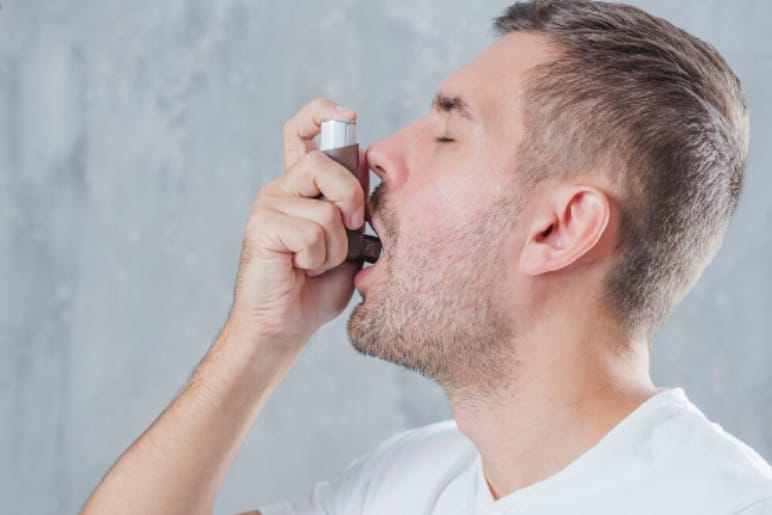
Yes, allergic asthma can be dangerous if not properly managed. Mild symptoms may worsen quickly and lead to serious breathing problems.
Uncontrolled allergic asthma may cause:
- Frequent coughing and wheezing
- Chest pain or tightness
- Sleep disturbances
- Emergency hospital visits
However, with proper diagnosis, treatment, and preventive care, most people can live a healthy and active life.
Tips to Prevent Allergy-Induced Asthma Attacks

1. Keep Your Living Space Clean
Dust is one of the most common asthma triggers. Maintaining a clean environment reduces exposure to allergens.
Helpful steps:
- Vacuum carpets and floors regularly
- Wash bed sheets weekly in warm water
- Clean soft toys and curtains
- Keep windows closed on high-dust or high-pollen days
2. Manage Pet Exposure
Pets can be a source of comfort, but their fur and skin flakes may trigger asthma symptoms.
To stay safe:
- Keep pets out of the bedroom
- Wash hands after touching pets
- Bathe pets regularly
- Avoid sleeping with pets
3. Monitor Pollen Levels
High pollen levels can trigger asthma attacks.
On high-pollen days:
- Stay indoors as much as possible
- Keep windows closed
- Shower and change clothes after being outside
- Dry clothes indoors instead of outside
4. Take Prescribed Medication Regularly
Following your doctor’s instructions is one of the most important tips to prevent allergy-induced asthma attacks.
Remember:
- Take preventive medication daily
- Always carry your rescue inhaler
- Learn proper inhaler technique
- Inform your doctor if symptoms increase
5. Maintain Clean Indoor Air
Good air quality helps keep asthma under control.
Try to:
- Use air purifiers if needed
- Avoid smoke and pollution
- Stay away from strong perfumes or chemicals
- Ventilate rooms on low-pollution days
How to Prevent Asthma Attacks at Night
Night-time asthma symptoms are common but manageable with the right approach.
Keep Your Bed Allergen-Free
- Use dust-proof pillow and mattress covers
- Wash bedding weekly
- Remove stuffed toys from the bed
- Keep pets out of the bedroom
Sleep With Your Head Elevated
Using extra pillows can:
- Improve airflow
- Reduce coughing
- Make breathing easier during sleep
Use Night-Time Medication
If prescribed, take asthma medication before bedtime and keep your inhaler within reach. If symptoms worsen, sit upright and breathe slowly.
Maintain a Comfortable Room Temperature
Avoid extreme temperatures. A cool, well-ventilated room supports better breathing at night.
Allergy-Induced Asthma Treatment
Doctors customize treatment based on age, severity, and triggers.
1. Preventive (Daily) Medication
These medicines reduce airway inflammation and prevent attacks before they start.
2. Rescue Medication
Fast-acting inhalers help during sudden breathing difficulty.
3. Allergy Medicines
Antihistamines or other allergy treatments help control sneezing, itching, and allergic reactions that worsen asthma.
If you are looking for expert care, visiting a trusted Asthma treatment center in Gariahat near Golpark ensures accurate diagnosis and long-term asthma management under specialist supervision.
Know Your Asthma Triggers
Understanding personal triggers helps avoid flare-ups.
Common triggers include:
- Dust and pollen
- Pet dander
- Smoke
- Cold air
- Strong scents
Avoiding known triggers is one of the most effective tips to prevent allergy-induced asthma attacks.
When to Seek Medical Help
Inform a doctor or caregiver immediately if:
- Breathing becomes difficult
- Chest tightness increases
- Inhaler is not effective
- Symptoms interfere with daily activities
Seek emergency care if:
- Speech becomes difficult
- Lips or nails turn bluish
- Severe breathlessness occurs
Consulting the Best asthma doctor in Gariahat near Golpark can help prevent emergencies through proper treatment planning.
Create an Asthma Action Plan
Work with your doctor to prepare a clear asthma action plan that includes:
- Daily medications
- Trigger management
- Steps for worsening symptoms
- Emergency contact numbers
Keep the plan easily accessible at home.
Live Well With Allergy Asthma
Asthma doesn’t have to limit your life. With the right habits:
- Stay active
- Eat healthy foods
- Drink enough water
- Get adequate sleep
- Avoid smoke and pollution
Following these daily practices supports long-term lung health.
Final Thoughts
Managing asthma is all about awareness, consistency, and care. By following these tips to prevent allergy-induced asthma attacks, understanding allergy-induced asthma treatment, knowing how to prevent asthma attacks at night, and recognizing whether allergic asthma is dangerous, you can breathe easier and live confidently.
With the right medical support and lifestyle choices, asthma can be controlled—and life can be enjoyed fully.