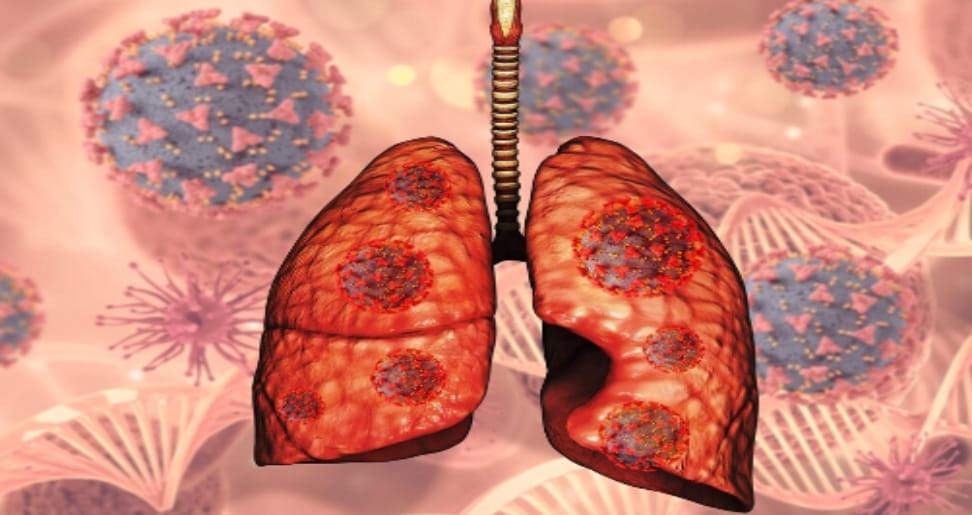
Breathing should feel easy—but for people with asthma, it often doesn’t. If you experience wheezing, chest tightness, coughing, or shortness of breath, your doctor may recommend a pulmonary function test for asthma to understand how well your lungs are working.
At Allergy and Asthma, we believe that understanding your condition is the first step toward better breathing. This guide explains pulmonary function testing in simple terms, so you know exactly what to expect and why it matters.
What Is a Pulmonary Function Test for Asthma?

A pulmonary function test (PFT) is a group of breathing tests that measure how well your lungs take in air, hold it, and push it out. When used for asthma, the test helps doctors identify airway narrowing and breathing limitations.
The pulmonary function test for asthma is:
- Non-invasive
- Painless
- Quick and safe
- Suitable for adults and children
You simply breathe into a machine that records how your lungs are performing.
Why Do You Need a Pulmonary Function Test?
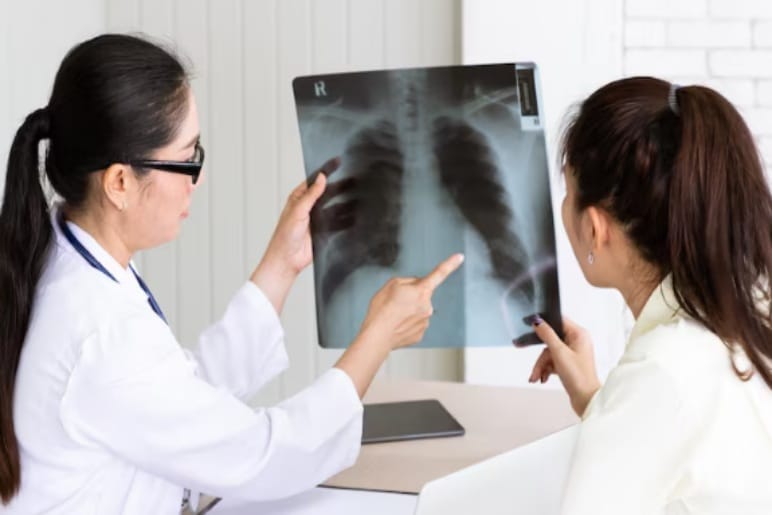
Doctors recommend a pulmonary function test for asthma to:
- Diagnose asthma accurately
- Measure how severe your asthma is
- Check how well your inhaler or medication is working
- Monitor lung function over time
- Adjust or improve your treatment plan
Think of it as a routine health check—but for your lungs.
What Type of PFT for Asthma?
There are several types of pulmonary function tests. Your doctor may recommend one or more depending on your symptoms.
Spirometry Test
This is the most common and important test for asthma.
- Measures how much air you can breathe out
- Measures how fast you can breathe out
- Takes only a few minutes
Peak Flow Test
- Uses a small handheld device
- Measures how quickly you can push air out
- Often used at home to monitor asthma daily
Bronchial (Challenge) Test
- Checks how sensitive your airways are
- You breathe a special mist, then repeat the breathing test
- Helps confirm asthma when results are unclear
What Tests Will a Pulmonologist Do for Asthma?
A pulmonologist is a lung specialist trained to diagnose and manage breathing conditions. During an asthma evaluation, they may recommend:
- Complete Pulmonary Function Tests for an overall lung assessment
- Methacholine Challenge Test to see how easily airways tighten
- Exercise Testing for exercise-induced asthma
- Allergy Testing to identify asthma triggers
- Chest X-ray or Scan to rule out other lung problems
- Airway Inflammation Tests to detect swelling in the lungs
These tests help create a complete picture of your respiratory health.
What Test Is Done to Confirm Asthma?
Spirometry is the most reliable test to confirm asthma.
How It Works:
- You perform the breathing test
- You are given an inhaler medication
- The test is repeated after 10–15 minutes
If your breathing improves significantly after the medicine, it strongly suggests asthma.
How to Pass a Pulmonary Function Test with Asthma?
There is no pass or fail. A pulmonary function test for asthma simply shows how your lungs are working at that moment.
To get accurate results, follow these tips:
Before the Test:
- Avoid smoking for several hours
- Follow your doctor’s instructions about inhalers
- Don’t eat a heavy meal before testing
- Wear loose, comfortable clothing
- Sleep well the night before
During the Test:
- Listen carefully to instructions
- Give your best effort
- Stay relaxed between attempts
- Ask questions if anything is unclear
Always tell your doctor if you used your inhaler or felt unwell—honesty ensures correct results.
Understanding Your Test Results
Your doctor will explain your results clearly, but here are common terms you may hear:
- FEV1: Air pushed out in the first second
- FVC: Total air exhaled
- FEV1/FVC Ratio: Helps identify airway obstruction
Lower values that improve after medication usually indicate asthma.
Why Pulmonary Function Tests Matter
Pulmonary function testing helps doctors:
- Diagnose asthma early
- Choose the right medications
- Track disease progression
- Prevent asthma attacks
- Improve long-term lung health
Early testing often leads to better control and fewer symptoms.
Living Well With Asthma
With proper testing and treatment, asthma can be managed successfully. Pulmonary function tests allow doctors to:
- Personalize your treatment plan
- Adjust medications as needed
- Help you stay active and confident
- Improve your quality of life
At Allergy and Asthma, our goal is to help you breathe comfortably every day.
When Should You Get Tested?
You should consider a pulmonary function test for asthma if you have:
- Frequent shortness of breath
- Wheezing or chest tightness
- Night-time coughing
- Symptoms that worsen with exercise
- Long-lasting or unexplained breathing issues
Early testing leads to earlier relief.
Questions to Ask Before Your Test
- How long will the test take?
- Should I stop my inhaler before testing?
- Can I eat beforehand?
- When will I receive my results?
- What are the next steps if asthma is confirmed?
Never hesitate to ask—understanding builds confidence.
Take Control of Your Breathing
Breathing difficulties can feel overwhelming, but answers are within reach. A pulmonary function test for asthma provides clarity, direction, and peace of mind.
With the right diagnosis and treatment, you can breathe easier and live fully.
Ready to Breathe Better?
At Allergy and Asthma, we offer comfortable, accurate pulmonary function testing with expert care. Our friendly team explains every step and supports you throughout your journey.
📞 Schedule your pulmonary function test today and take the first step toward better breathing.