When spring blooms or dust levels rise, many people experience itchy, red, watery eyes that just won’t quit. If you’re searching for eye allergy treatment, you’re not alone. Seasonal eye allergies—also called allergic conjunctivitis—affect millions worldwide and can disrupt work, school, and outdoor activities.
In this comprehensive guide, we’ll explore eye allergy symptoms and treatment, practical remedies for allergy watery eyes treatment, expert tips on how to cure dust allergy in eyes, and safe ways for how to remove pollen from eyes—all backed by science and easy to follow at home.
What Are Seasonal Eye Allergies?
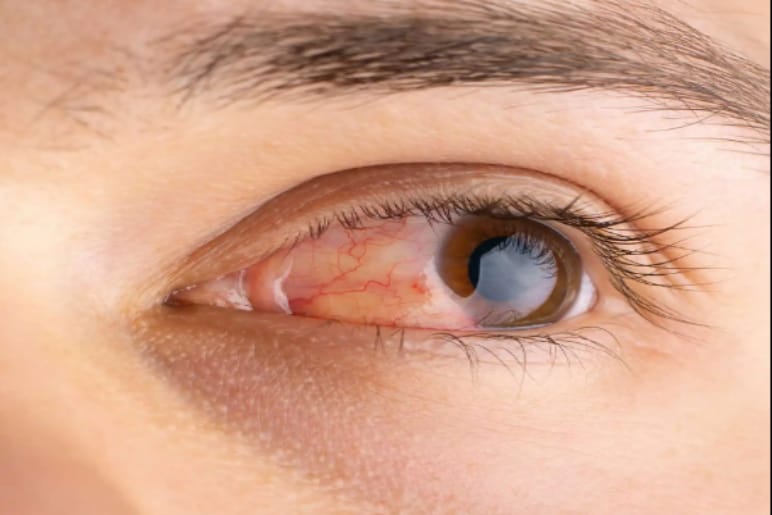
Seasonal eye allergies occur when your immune system overreacts to allergens like:
- Pollen (grass, trees, weeds)
- Dust mites
- Pet dander
- Mold spores
When these tiny particles come into contact with your eyes, your body releases histamines—chemicals that trigger inflammation. The result? Classic eye allergy symptoms.
Eye Allergy Symptoms and Treatment: What to Watch For
Understanding eye allergy symptoms and treatment helps you act early and prevent complications.
Common Symptoms
- Itchy eyes (most common sign)
- Redness
- Excessive tearing (watery eyes)
- Burning sensation
- Swollen eyelids
- Sensitivity to light
- Stringy discharge (clear or white)
Unlike infections, seasonal allergies usually affect both eyes and are not contagious.
Eye Allergy Treatment: The Smart & Modern Approach
Effective eye allergy treatment combines prevention, gentle care, and medication when necessary. Let’s break it down.
1. First Step: Remove the Allergen Safely
If you’re wondering how to remove pollen from eyes, follow these steps:
✔ Rinse With Sterile Saline
Use preservative-free saline solution to flush out pollen and dust.
✔ Splash Cool Water
Gently rinse your eyes with clean, cool water after outdoor exposure.
✔ Change Clothes Immediately
Pollen sticks to fabric. Shower and change after being outside.
✔ Avoid Rubbing
Rubbing releases more histamine and worsens inflammation.
This simple habit alone can significantly reduce allergy flare-ups.
2. Allergy Watery Eyes Treatment: Quick Relief That Works
Watery eyes are your body’s attempt to wash away allergens—but it can become excessive and uncomfortable.
Here’s what helps:
✔ Cold Compress
Apply a clean, cold cloth over closed eyes for 10–15 minutes to reduce swelling and itching.
✔ Artificial Tears
Lubricating eye drops dilute allergens and soothe irritation.
✔ Antihistamine Eye Drops
These block histamine and provide fast relief from itching and redness.
✔ Oral Antihistamines
Helpful if you also have sneezing or a runny nose—but some may dry your eyes further.
If watery eyes persist for weeks, consult an eye specialist.
3. How to Cure Dust Allergy in Eyes?
Dust allergies can be year-round. If you’re asking how to cure dust allergy in eyes, the focus should be long-term control.
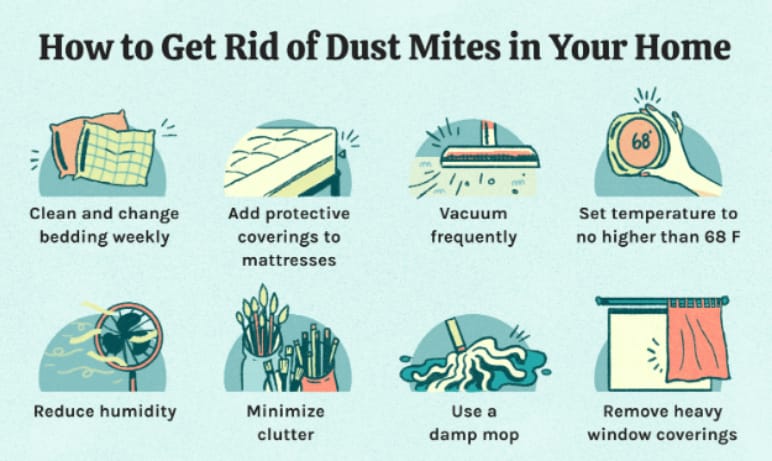
Make Your Home Allergy-Proof
- Use dust-mite-proof pillow and mattress covers
- Wash bedding weekly in hot water
- Vacuum with a HEPA filter
- Reduce carpets and heavy curtains
- Use an air purifier
- Keep humidity below 50%
Protective Measures
- Wear glasses outdoors on windy days
- Avoid touching your eyes
- Keep windows closed during high pollen counts
There’s no permanent “cure,” but controlling exposure dramatically reduces symptoms.
4. Medical Eye Allergy Treatment Options
For moderate to severe symptoms, doctors may recommend:
Prescription Eye Drops
- Mast cell stabilizers
- Dual-action antihistamine drops
- Short-term corticosteroid drops (for severe inflammation only under supervision)
Allergy Immunotherapy
For chronic sufferers, allergy shots or sublingual tablets gradually train your immune system to tolerate allergens.
Trending: Smart Prevention Tips That Actually Work
Here are modern, practical strategies gaining attention:
Check Pollen Forecast Apps
Avoid outdoor activities during peak pollen times (usually early morning).
Keep Car Windows Closed
Use air conditioning with a clean filter.
Wear Wraparound Sunglasses
They reduce pollen exposure by up to 30%.
Nighttime Eye Care
Apply preservative-free lubricating drops before bed to prevent dryness.
Frequently Asked Questions (FAQs)
How to remove pollen from eyes quickly?
- Rinse with sterile saline
- Apply cold compress
- Use lubricating drops
- Avoid rubbing
Relief usually comes within minutes if treated early.
How long do eye allergy symptoms last?
Seasonal allergies may last:
- Weeks during pollen season
- Year-round if dust mites are the trigger
Proper eye allergy treatment shortens flare-ups.
Are eye allergies dangerous?
Most cases are mild. However, see a doctor if you experience:
- Severe pain
- Blurred vision
- Yellow/green discharge
- Light sensitivity that worsens
These may indicate infection instead of allergies.
Can I wear contact lenses during eye allergies?
It’s best to:
- Switch to glasses temporarily
- Use daily disposable lenses
- Avoid lenses during severe flare-ups
Contacts can trap allergens and worsen irritation.
Natural Remedies for Eye Allergy Relief
Some natural options may complement medical care:
Cold Tea Compress (Chamomile or Green Tea)
Has mild anti-inflammatory properties.
Cucumber Slices
Cool and reduce puffiness.
Stay Hydrated
Proper hydration keeps tear film healthy.
Humidifier
Prevents dry indoor air from worsening irritation. Always ensure remedies are clean to prevent infection.
Eye Allergy Treatment for Kids
Children frequently rub their eyes, making symptoms worse.
Safe Tips:
- Keep nails trimmed
- Teach them not to rub
- Use pediatric-approved antihistamine drops
- Wash hands regularly
- Bathe after outdoor play
Consult a pediatrician before using medicated eye drops.
When to See a Doctor
Seek professional care if:
- Symptoms last more than 2–3 weeks
- Vision becomes blurry
- Over-the-counter drops don’t help
- Swelling becomes severe
An ophthalmologist can confirm allergic conjunctivitis and rule out infections.
The Smart Daily Routine for Allergy-Free Eyes
Morning:
- Check pollen levels
- Use lubricating drops
- Wear sunglasses outdoors
Afternoon:
- Avoid rubbing
- Rinse eyes after exposure
Night:
- Shower to remove pollen
- Change pillowcases weekly
- Apply artificial tears
Consistency is the key to long-term relief.
Final Thoughts: Beat Pollen & Dust the Smart Way
Seasonal allergies don’t have to control your life. With the right eye allergy treatment, smart hygiene habits, and preventive strategies, you can significantly reduce irritation and discomfort.
Whether you’re dealing with allergy watery eyes treatment, wondering how to cure dust allergy in eyes, or looking for the safest way on how to remove pollen from eyes, the solution lies in:
✔ Early action
✔ Reducing allergen exposure
✔ Using appropriate medication
✔ Maintaining clean indoor air
If symptoms persist, consult a qualified eye specialist for personalized treatment.
Your eyes deserve comfort—no matter the season.
Learn More: