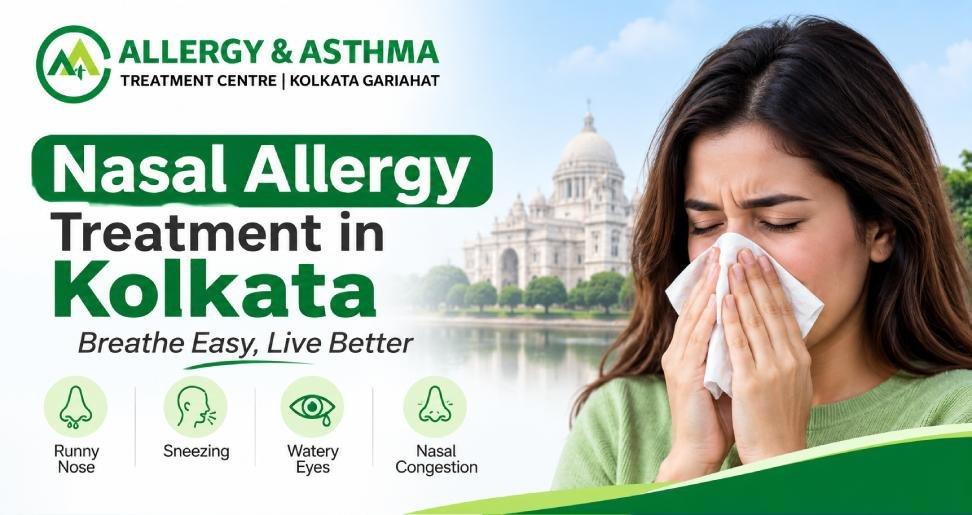
Nasal allergies are a common health concern that can affect people of all age groups. Frequent sneezing, a blocked nose, continuous runny nose, and itching inside the nose can make everyday activities uncomfortable. These symptoms may become more noticeable during seasonal changes, exposure to dust, pollution, pollen, or other environmental allergens. If you are experiencing recurring nasal allergy symptoms, seeking appropriate medical guidance can help you understand the cause and manage the condition.
For individuals looking for Nasal Allergy Treatment in Kolkata, understanding the symptoms, triggers, and available treatment options is an important first step. The Allergy Asthma Treatment Center provides a place to seek professional guidance for allergy-related concerns and explore suitable management options.
What Is Nasal Allergy?
Nasal allergy, medically known as allergic rhinitis, occurs when the immune system reacts to substances that are generally harmless to most people. These substances are called allergens. When an individual with allergies comes into contact with an allergen, the immune system releases chemicals such as histamine, which can cause inflammation inside the nasal passages.
This reaction may result in sneezing, nasal congestion, itching, and watery discharge. Some people experience symptoms throughout the year, while others notice them during particular seasons.
Nasal allergies can interfere with sleep, concentration, work, and daily activities if symptoms are frequent or persistent.
Common Symptoms of Nasal Allergy
Recognising the symptoms early can help individuals seek appropriate medical advice. Common symptoms of allergic rhinitis include:
- Frequent Sneezing: Repeated sneezing, especially in the morning or after exposure to dust.
- Runny Nose: Clear and watery nasal discharge that may continue throughout the day.
- Nasal Congestion: A blocked nose that makes breathing through the nostrils difficult.
- Nose Itching: Persistent itching inside the nose.
- Watery Eyes: Eye irritation, redness, and excessive watering.
- Throat Irritation: An itchy throat or discomfort caused by mucus dripping from the nose.
- Reduced Sense of Smell: Nasal inflammation may temporarily affect the ability to smell.
- Sleep Disturbances: Nasal blockage and sneezing can affect sleep quality.
If these symptoms occur repeatedly, consulting an allergy specialist can help identify possible triggers and appropriate treatment options.
What Causes Nasal Allergies?
Nasal allergies develop when the immune system overreacts to specific environmental substances. Different individuals may have different allergy triggers. Some of the most common causes include:
1. Dust Mites
Dust mites are microscopic organisms commonly found in mattresses, pillows, carpets, curtains, and upholstered furniture. Their waste particles can trigger allergic reactions in sensitive individuals.
2. Pollen
Pollen released by trees, grasses, and flowering plants can cause seasonal allergic rhinitis. Symptoms may increase during certain months when pollen levels are higher.
3. Air Pollution
Air pollution, smoke, and airborne irritants can worsen nasal symptoms. In urban areas such as Kolkata, exposure to traffic-related pollution and particulate matter may contribute to nasal irritation.
4. Mould and Fungal Spores
Mould can develop in damp areas, bathrooms, poorly ventilated rooms, and places with water leakage. Airborne fungal spores may trigger allergic symptoms.
5. Pet Dander
Proteins present in the skin flakes, saliva, and urine of pets can trigger allergic reactions in sensitive people.
6. Weather Changes
Changes in temperature, humidity, and seasonal conditions may aggravate symptoms in some individuals, although weather changes themselves are not necessarily allergens.
Why Is Nasal Allergy Common in Kolkata?
Kolkata experiences changing weather conditions, humidity, seasonal pollen, and varying levels of air pollution. These environmental factors can contribute to nasal irritation and may aggravate allergic rhinitis in susceptible individuals.
Some common environmental triggers in Kolkata include:
- Road dust and construction activities.
- Vehicle emissions and air pollution.
- Pollen from trees and plants.
- Indoor dust and dust mites.
- Damp indoor environments and mould.
- Seasonal changes in temperature and humidity.
However, not everyone reacts to the same triggers. Identifying individual allergens is important for developing an appropriate allergy management plan.
Nasal Allergy Treatment Options in Kolkata
The treatment of nasal allergies depends on the symptoms, their severity, medical history, and the specific allergens involved. A healthcare professional may recommend one or more of the following approaches.
1. Antihistamine Medication
Antihistamines are commonly used to manage allergy symptoms such as sneezing, itching, and a runny nose. They work by blocking the effects of histamine, a chemical released during an allergic reaction.
The choice of medication should depend on individual requirements and medical advice.
2. Nasal Corticosteroid Sprays
Nasal corticosteroid sprays help reduce inflammation inside the nasal passages. They may be recommended for individuals experiencing persistent nasal congestion, sneezing, and other allergic rhinitis symptoms.
These medications should be used according to a healthcare professional’s instructions.
3. Saline Nasal Irrigation
Saline nasal rinses can help remove mucus, dust, and other irritants from the nasal passages. They may provide relief from nasal dryness and congestion.
Always use sterile, distilled, or previously boiled and cooled water for nasal irrigation.
4. Allergen Avoidance
Reducing exposure to known allergens is an important part of allergy management. Depending on individual triggers, practical measures may include:
- Washing bedsheets and pillow covers regularly.
- Keeping indoor spaces clean and well ventilated.
- Reducing dust accumulation in bedrooms.
- Avoiding exposure to cigarette smoke.
- Addressing dampness and mould growth.
- Limiting outdoor exposure when pollen or pollution levels are high.
5. Allergy Immunotherapy
For selected patients with confirmed allergic rhinitis, an allergy specialist may consider immunotherapy. This treatment involves carefully controlled exposure to specific allergens over time to help modify the immune system’s response.
Immunotherapy may be available in different forms, including subcutaneous injections and sublingual preparations. It requires proper evaluation and medical supervision.
When Should You Consult an Allergy Specialist?
Occasional sneezing or a runny nose may not always indicate an allergy. However, recurring symptoms should not be ignored, particularly when they interfere with normal activities.
Consider consulting a healthcare professional if:
- You experience frequent sneezing without an obvious reason.
- Nasal congestion continues for several days or keeps returning.
- Allergy symptoms disturb your sleep.
- Over-the-counter medications do not provide adequate relief.
- You experience recurring eye irritation along with nasal symptoms.
- Nasal allergies affect your work or daily routine.
A proper medical evaluation can help distinguish allergic rhinitis from other conditions, including sinus infections and non-allergic rhinitis.
How Is Nasal Allergy Diagnosed?
Accurate diagnosis is important for identifying the underlying cause of nasal allergy symptoms. Depending on the patient’s condition, a healthcare professional may recommend:
Medical History: The doctor asks about symptoms, their frequency, environmental exposure, family history, and possible allergy triggers.
Physical Examination: Examination of the nose and related areas may help identify signs of inflammation or other conditions.
Skin Prick Test: This test involves introducing small amounts of selected allergens into the skin to check for an allergic reaction.
Specific IgE Blood Test: A blood test may help identify sensitivity to particular allergens.
Not every patient requires every test. The appropriate investigations depend on the clinical assessment.
Why Choose Allergy Asthma Treatment Center in Kolkata?
Managing recurring nasal allergies requires understanding the possible triggers and selecting suitable treatment options. The Allergy Asthma Treatment Center focuses on allergy and asthma-related healthcare concerns and can be considered by individuals seeking professional guidance for nasal allergy symptoms in Kolkata.
Whether you are experiencing frequent sneezing, nasal congestion, a runny nose, or recurring allergy symptoms, seeking medical evaluation can help you understand your condition.
At Allergy Asthma Treatment Center, patients can seek guidance regarding allergy-related concerns, evaluation, and appropriate management options based on their individual requirements.
If you are searching online for Nasal Allergy Treatment in Kolkata, consider consulting a qualified healthcare professional to discuss your symptoms and determine the next steps.
Tips to Prevent Nasal Allergy Symptoms
Although allergies cannot always be completely prevented, reducing exposure to known triggers may help control symptoms.
Here are some practical tips:
- Keep your bedroom clean and minimise dust accumulation.
- Wash pillow covers, bedsheets, and blankets regularly.
- Avoid cigarette smoke and other strong irritants.
- Wear a suitable mask when exposed to dust or pollution.
- Maintain proper ventilation and address damp areas.
- Follow your prescribed allergy treatment regularly.
- Avoid self-medicating or using nasal decongestant sprays for prolonged periods without medical advice.
Consistency in these preventive measures can help reduce exposure to common allergens.
Conclusion
Nasal allergies can affect breathing comfort, sleep quality, and everyday activities. Environmental factors such as dust, pollen, pollution, and mould may contribute to symptoms, particularly among people living in urban areas like Kolkata.
The right approach to managing allergic rhinitis involves identifying potential triggers, receiving an appropriate diagnosis, and following a treatment plan recommended by a healthcare professional.
If you are experiencing persistent sneezing, a blocked nose, nasal itching, or recurring runny nose, consider seeking professional guidance at Allergy Asthma Treatment Center. Early evaluation and appropriate allergy management can help you take better control of your nasal allergy symptoms and improve your everyday comfort.