You’ve Googled your kid’s symptoms at midnight more than once.
You’ve sat in waiting rooms flipping through the same magazines while someone tells you it’s probably just seasonal. You’ve bought every cream on the pharmacy shelf. You’ve cut out dairy, then gluten, then basically everything fun, and you’re still watching your child scratch their arms until they bleed or cough so hard they can’t sleep.
Look, that’s where most of the families who walk into Allergy and Asthma are coming from. And the first thing we want you to know is this. You’re not being dramatic. Something is going on. And in 2026, we have better tools to figure out what that something is than we’ve ever had before.
The Impact Factor Thing — What It Actually Means for Your Kid
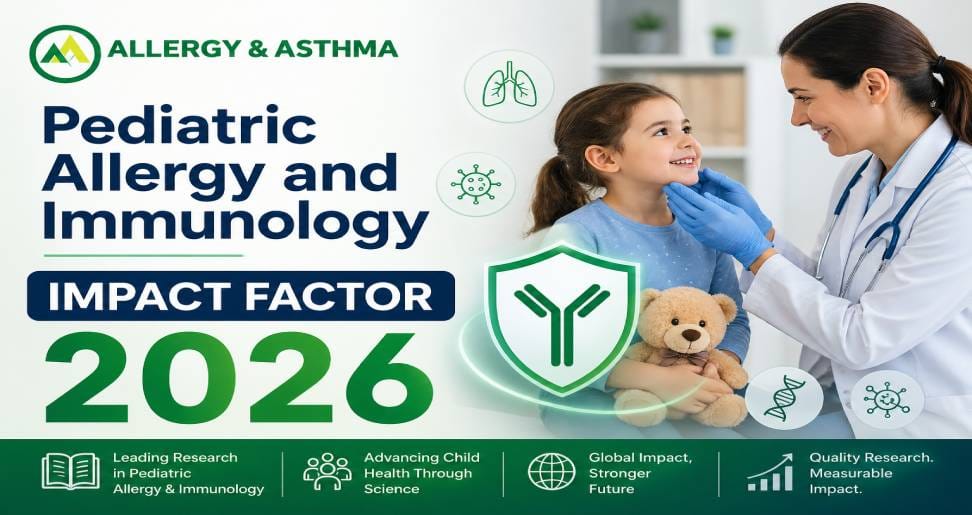
So, there’s this term floating around medical circles called the pediatric allergy and immunology impact factor. Sounds dry, right? Basically, it tracks how fast the research in this field is moving. How many studies are getting done, how quickly those findings are turning into actual treatments, how seriously doctors everywhere are starting to take childhood immune conditions.
Right now, it’s at a record high. And that matters way more than it sounds.
Treatments Have Genuinely Changed
Not just “a little better.” Different. Biologic therapies are now available that go after the root cause of what’s happening in your child’s immune system, not just the symptoms showing up on the outside. Kids who’ve been stuck on the same medications since they were toddlers with the same so-so results are now getting options that didn’t exist a few years back.
That’s not hype. That’s just where the medicine is right now.
Testing Finally Gives Real Answers
Old-school allergy testing used to leave families with a list of twenty possible triggers and a lot of shrugging. Current testing is specific enough to tell you what’s actually driving your child’s reactions. That’s a big deal because the right answer leads to the right fix instead of months of elimination games that go nowhere.
Early Intervention Is a Game Changer
Here’s the one that genuinely surprises most parents. Getting kids evaluated early, sometimes as young as their first birthday, doesn’t just help manage their condition later. It can actually change how their condition develops. Catch it young enough and you’re not just treating a problem. You’re stopping a worse one from forming. That’s coming from research published right now in 2026 and it’s why we keep telling parents not to wait.
Why a Specialist Is Worth It
Your regular pediatrician is good at their job. Really good. But they’re covering everything. Ears, growth charts, vaccines, sleep issues, behavioral stuff, school physicals. Their day is packed and their scope is enormous.
This Is Literally All We Do
A pediatric allergy and immunology specialist trains for years beyond medical school on one specific thing. What goes wrong with children’s immune systems and how to fix it. Asthma, eczema, food allergies, immune deficiencies, hives, kids who seem to catch every single bug that goes around school. Nothing else. Just that.
Your First Visit Will Feel Different
Nobody’s watching a clock. Nobody’s rushing to the next patient. The specialist asks questions that feel random at first. What’s your house like? Does anything change when you visit family? What did your child eat the day before their worst reaction?
All of it connects. Testing fills in the blanks. And you leave with an actual plan built around your specific child. Not a pamphlet. Not a suggestion to come back in six weeks. A real plan.
The Breathing and Allergy Connection Nobody Warned You About
A lot of parents are genuinely surprised by this one.
They come in thinking their kid has allergies. They leave realizing allergies and breathing problems have been feeding each other the whole time.
They’re Not Two Separate Issues
The immune system and respiratory system are constantly influencing each other. Allergens create inflammation. Inflammation irritates airways. Irritated airways wreck sleep. Bad sleep weakens immunity; weaker immunity makes reactions worse.
So, if your child has chronic stuffiness, regular nighttime coughing, and hits a wall every change of season, that’s not three problems. That’s pediatric allergy, immunology, and pulmonology all tangled up together. Treating it as one connected issue instead of separate complaints is what moves things forward.
When Should You Actually Call?
If you’ve been on the fence, here are the things that should push you off it.
Regular coughing or wheezing, especially at night. Skin that keeps flaring up despite everything you’ve tried. A past reaction to food or a sting that genuinely scared you. Getting sick way more often than other kids the same age. Seasonal symptoms bad enough to miss school or lose sleep.
None of that is just “how some kids are.” All of it has answers.
Sooner Is Always Better Than Later
The families who come in early deal with less. Full stop. Waiting doesn’t make these things easier to treat. It usually makes them harder. We’re not saying that to scare you into booking an appointment. We’re saying it because we watch it happen all the time.
Come In. Let’s Figure It Out.
Your kid should feel good, sleep well, run around. Eat at birthday parties without anyone sweating it.
If that’s not where things are right now, let the team at Allergy and Asthma help get you there. Book a visit and let’s fix this.
Have A Look :-