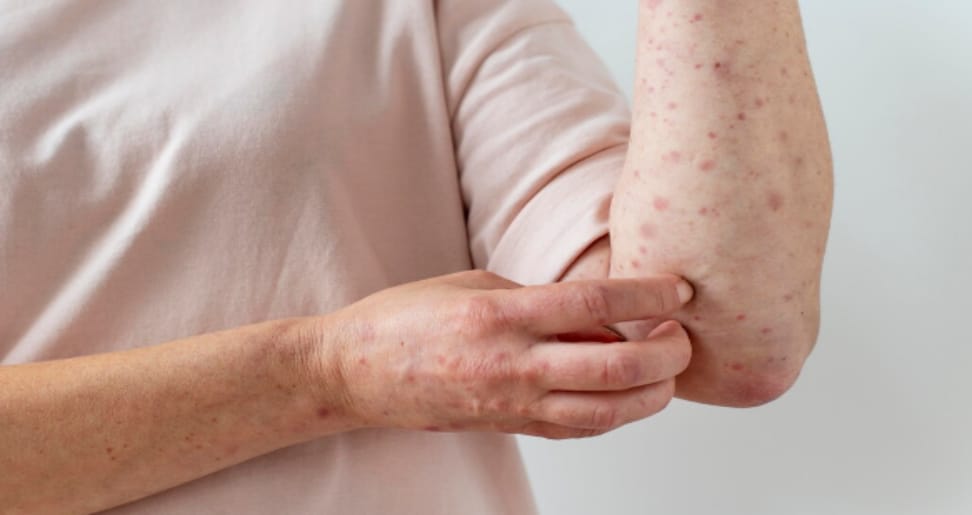
Hives allergy, medically known as urticaria, is a common skin condition that affects millions of people worldwide. It causes itchy, raised red or skin-colored welts that can appear suddenly and disappear just as quickly. While hives are often harmless, they can be uncomfortable, recurring, and sometimes signal an underlying health issue.
This guide explains what hives are, their causes, symptoms, types, treatments, prevention tips, and when to seek medical care—helping you understand and manage hives effectively.
What Are Hives?
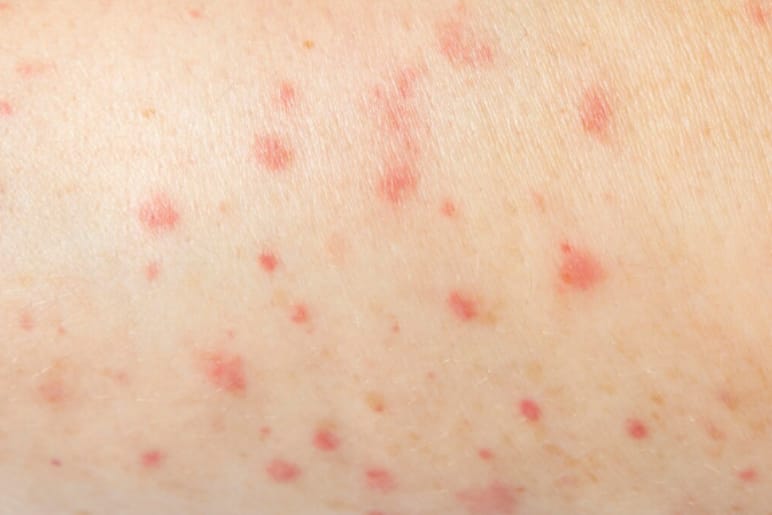
Hives are raised, itchy bumps or welts that develop on the skin due to an allergic or non-allergic reaction. They vary in size and shape and may join together to form larger patches.
Key Facts About Hives
- Also called urticaria
- Appear as red, pink, or skin-colored welts
- Extremely itchy and irritating
- Can be small dots or large swollen patches
- Often move to different areas of the body
- May last minutes to hours
Hives allergy is very common, and most people experience it at least once in their lifetime.
What Causes Hives Allergy?
Hives occur when the body releases histamine, a chemical involved in immune responses. Histamine causes fluid to leak from tiny blood vessels, leading to swelling and itching.
Common Causes of Hives
- Food allergies: Peanuts, tree nuts, eggs, milk, fish, shellfish
- Medications: Antibiotics, aspirin, NSAIDs
- Insect bites or stings: Bees, wasps, mosquitoes
- Pet dander: Cats, dogs
- Pollen and environmental allergens
- Temperature changes: Heat, cold, or sudden shifts
- Stress and anxiety
- Infections: Viral or bacterial illnesses
👉 In many cases, the exact cause is never identified—and that’s normal. Treatment is still effective even when the trigger is unknown.
Chronic Hives Allergy Causes
Hives lasting more than six weeks are classified as chronic hives. These can persist for months or even years.
Possible Causes of Chronic Hives
- Autoimmune conditions (immune system attacks the body)
- Thyroid disease
- Hidden infections
- Long-term emotional stress
- Hormonal changes (pregnancy, menopause)
- Certain medications
- Unknown causes (most common)
Many adults—especially female adults—experience chronic hives without a clear trigger.

Types of Hives
Different types of hives require different management approaches.
Main Types of Hives
- Acute hives – Last less than 6 weeks
- Chronic hives – Last longer than 6 weeks
- Physical hives – Triggered by pressure, scratching, or friction
- Cold hives – Caused by cold air or water
- Heat or sun hives – Triggered by warmth or sunlight
- Exercise-induced hives – Occur during or after workouts
Symptoms of Hives Allergy
Common Symptoms
- Red or pink raised welts
- Intense itching
- Burning or stinging sensation
- Swelling of the skin
- Welts that change shape or location
Emergency Symptoms (Seek Immediate Help)
- Difficulty breathing
- Swelling of lips, tongue, or throat
- Chest tightness
- Dizziness or fainting
- Rapid heartbeat
🚨 These may indicate anaphylaxis, a life-threatening allergic reaction. Call emergency services immediately.

How Are Hives Diagnosed?
Doctors diagnose hives based on medical history, physical exam, and allergy testing.
Diagnostic Methods
- Review of symptoms and triggers
- Skin examination
- Skin prick or blood allergy tests
- Food elimination diet
- Blood work to detect infections or autoimmune issues
- Cold or pressure testing for physical hives
Proper diagnosis helps create a targeted and effective treatment plan.
Best Treatment for Hives
Quick Relief for Hives
- Oral antihistamines
- Cold compresses
- Cool oatmeal baths
- Loose, cotton clothing
- Avoid scratching
Medical Treatments
- Daily non-drowsy antihistamines
- Stronger antihistamines for nighttime itching
- Corticosteroids (short-term use)
- Biologic injections (e.g., for chronic hives)
- Immune-modulating therapies
💡 Can prednisone cause hives?
Yes, although rare, prednisone can cause allergic reactions, including hives, in some individuals.
New and Advanced Treatments
- Biologic medications that target immune pathways
- Immunotherapy to reduce allergic reactions over time
Home Remedies for Hives Relief
These can help soothe symptoms but are not a cure:
- Ice packs
- Aloe vera gel
- Cool showers
- Staying hydrated
- Stress management
- Avoiding heat and tight clothing
How to Prevent Hives
Prevention Tips
- Identify and avoid triggers
- Read food labels carefully
- Keep a hives diary
- Manage stress
- Take prescribed medications regularly
- Dress appropriately for weather
- Carry emergency medication if needed
Hives During Pregnancy: How to Treat Safely
Pregnancy can trigger or worsen hives due to hormonal changes.
Safe options include:
- Doctor-approved antihistamines
- Cool compresses
- Gentle skincare products
- Avoiding known triggers
⚠️ Always consult your doctor before taking any medication while pregnant.
Are Hives Dangerous?
Most hives are not dangerous, but they can be a sign of:
- Autoimmune disease
- Thyroid disorder
- Severe allergies
- Chronic inflammation
If hives are frequent, severe, or long-lasting, medical evaluation is essential.

Hives in Children
Common Causes
- Food allergies
- Viral infections
- Bug bites
- New medications
Tips for Parents
- Keep children cool
- Trim fingernails
- Use gentle soaps
- Give medications as prescribed
- Seek medical care if hives worsen
Myths About Hives
Myth: Hives are contagious
Truth: Hives cannot spread from person to person
Myth: Only children get hives
Truth: Adults commonly develop hives
Myth: Hives always mean food allergy
Truth: Many triggers exist
Myth: Hives always go away on their own
Truth: Chronic hives often require treatment
Questions to Ask Your Doctor
- What is causing my hives?
- Are my hives allergy-related?
- What tests do I need?
- What is the best treatment for me?
- How long will hives last?
- Can hives indicate a serious condition?
Final Thoughts: Get Help for Hives Allergy
Hives can be frustrating, itchy, and disruptive—but effective treatment is available. With proper diagnosis, personalized care, and modern therapies, most people achieve long-term relief.
If your hives are persistent, severe, or affecting your quality of life, consult an allergy specialist and take control of your skin health today.
Frequently Asked Questions
What is the main cause of hives?
Histamine release due to allergies, infections, stress, or immune reactions.
How to cure hives fast?
Antihistamines, cold compresses, and avoiding triggers provide fast relief.
Can hives be a sign of something serious?
Yes, chronic hives may indicate autoimmune or thyroid conditions.
Is hives dangerous?
Usually no, but emergency symptoms require immediate care.
Read More:
Allergy and Asthma Treatment Centre in Kolkata